



In today’s rapidly evolving industrial landscape, automation and control systems play a critical role in ensuring operational efficiency, safety, and productivity. Industries such as oil & gas, petrochemicals, power plants, pharmaceuticals, manufacturing, and water treatment rely heavily on sophisticated instrumentation systems. As a result, the demand for skilled instrumentation professionals continues to grow worldwide.
An Instrumentation Design Course provides aspiring engineers and professionals with the technical knowledge and practical skills required to design, develop, and maintain modern instrumentation systems used in industrial facilities.
What is Instrumentation Design?
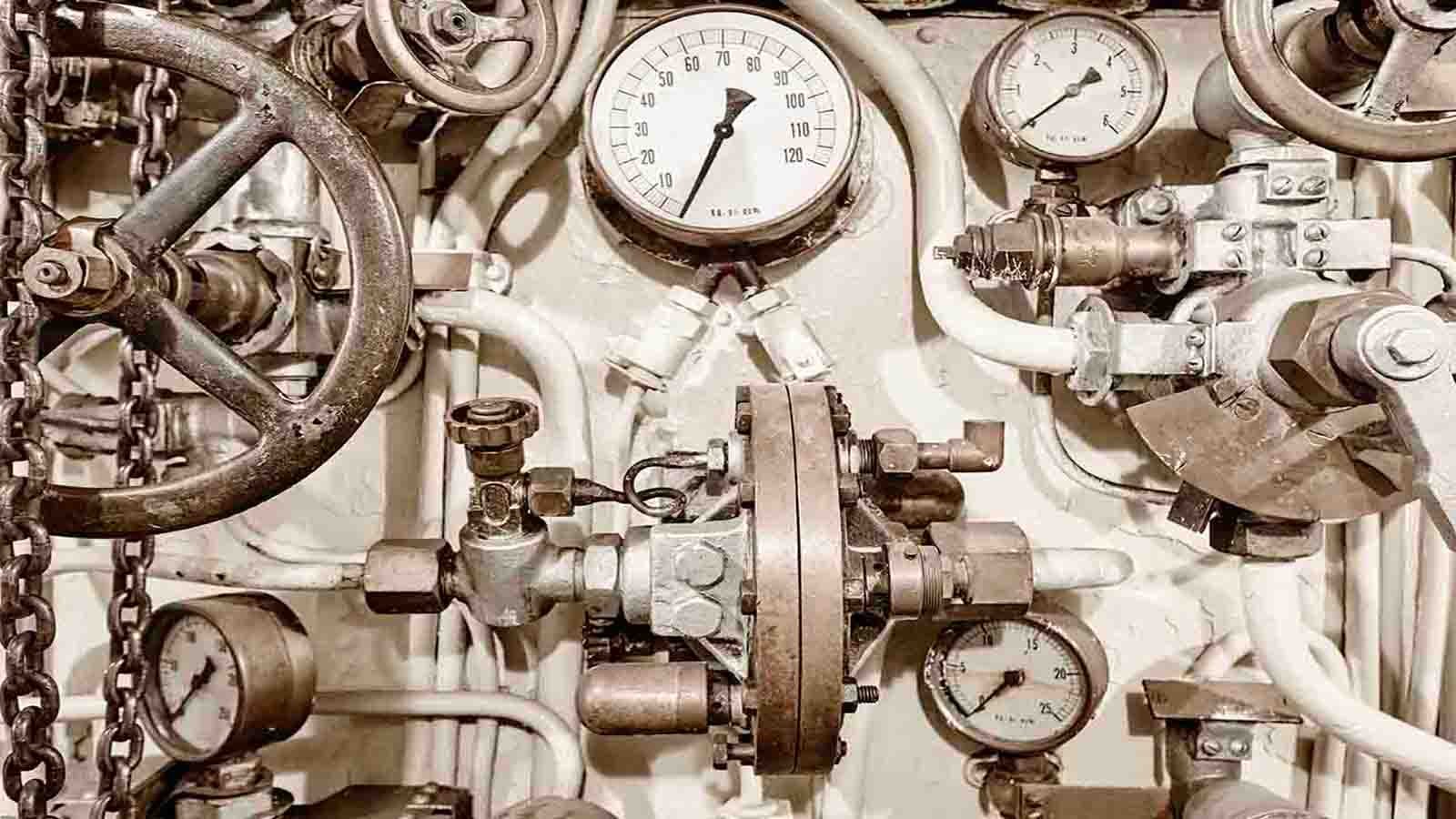
Instrumentation design involves the planning, selection, specification, and implementation of instruments and control systems used to monitor and regulate industrial processes. These systems measure variables such as pressure, temperature, flow, level, and composition to ensure smooth and efficient plant operations.
Instrumentation engineers are responsible for creating detailed engineering documents, selecting appropriate instruments, preparing control system layouts, and ensuring compliance with industry standards.
Why Choose an Instrumentation Design Course?
An Instrumentation Design Course equips students with industry-relevant skills that are highly valued by employers. The course bridges the gap between theoretical engineering concepts and real-world industrial applications.
Key Benefits Include:
- Strong understanding of industrial instrumentation systems
- Knowledge of process control principles
- Exposure to engineering standards and best practices
- Improved job opportunities in process industries
- Hands-on experience with engineering documentation
- Enhanced career growth in automation and control engineering
Core Topics Covered in an Instrumentation Design Course
A comprehensive Instrumentation Design Course typically covers the following subjects:
1. Introduction to Instrumentation Engineering
- Basics of instrumentation systems
- Measurement principles
- Industrial applications
- Process variables and control concepts
2. Process Instrumentation
- Pressure instruments
- Temperature instruments
- Flow measurement devices
- Level measurement systems
- Analytical instruments
3. Instrument Selection and Specification
- Instrument datasheets
- Vendor documentation
- Material selection
- Instrument sizing techniques
4. Piping and Instrumentation Diagrams (P&ID)
- P&ID symbols and standards
- Instrument identification
- Control loop representation
- Drawing interpretation
5. Instrument Loop Diagrams
- Loop development
- Signal flow understanding
- Wiring and termination details
- Field-to-control room connections
6. Control Systems
- PLC fundamentals
- DCS architecture
- SCADA systems
- Industrial communication protocols
7. Cable Engineering
- Cable selection criteria
- Cable schedules
- Routing practices
- Cable tray design
8. Hook-Up Drawings
- Instrument installation details
- Mounting arrangements
- Typical field installation practices
9. Instrument Index and Documentation
- Instrument registers
- Engineering deliverables
- Project documentation management
10. Industrial Standards and Safety
- ISA standards
- IEC standards
- Hazardous area classifications
- Safety instrumented systems (SIS)
Career Opportunities After Completing an Instrumentation Design Course
Professionals who complete an Instrumentation Design Course can pursue various career paths across multiple industries.
Popular Job Roles:
- Instrumentation Design Engineer
- Instrumentation Engineer
- Control Systems Engineer
- Process Control Engineer
- Automation Engineer
- Commissioning Engineer
- Maintenance Engineer
- Project Engineer
Industries Hiring Instrumentation Professionals:
- Oil & Gas
- Petrochemical Plants
- Refineries
- Power Generation
- Chemical Industries
- Pharmaceuticals
- Food Processing
- Water Treatment Facilities
Skills Required for Success
To excel in instrumentation design, professionals should develop the following skills:
- Analytical thinking
- Problem-solving abilities
- Technical documentation expertise
- Knowledge of process control systems
- Understanding of engineering standards
- Attention to detail
- Communication and teamwork skills
Future Scope of Instrumentation Design
With the rise of Industry 4.0, Industrial Internet of Things (IIoT), smart manufacturing, and digital transformation initiatives, instrumentation professionals are becoming increasingly important. Modern industries require advanced automation and real-time monitoring systems, creating strong demand for skilled instrumentation engineers.
As industries continue investing in intelligent control systems and process optimization, professionals with expertise in instrumentation design can expect excellent career growth and global employment opportunities.
Conclusion
An Instrumentation Design Course is an excellent investment for engineering students and working professionals seeking a rewarding career in industrial automation, process control, and plant engineering. The course provides comprehensive knowledge of instrumentation systems, design methodologies, engineering documentation, and industry standards required by modern industries.
For individuals looking to build a successful career in instrumentation engineering and gain industry-oriented training, OnlinePiping.com offers valuable resources, technical guidance, and professional training solutions to help learners develop the skills needed to excel in the engineering industry.