

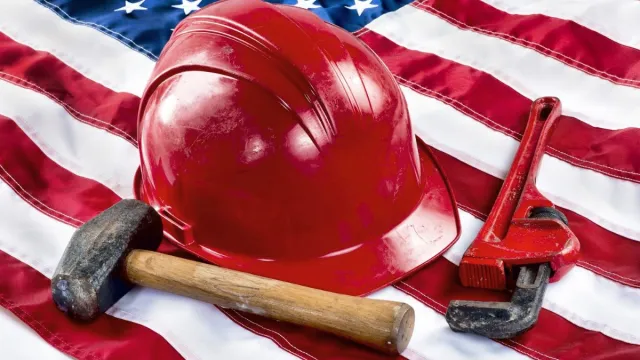
Labor Day is a federal holiday in the United States that honors the social and economic contributions of American workers. Celebrated on the first Monday of September, Labor Day is also widely considered the unofficial end of summer in the U.S.
For many Americans, the long weekend means spending time with family and friends, attending barbecues, watching sports, traveling, shopping holiday sales, or simply taking a break from work. However, behind the celebrations is a history rooted in the American labor movement and the fight for better working conditions.
When Is Labor Day in 2026?
In 2026, Labor Day falls on Monday, September 7.
Because the holiday is always observed on the first Monday of September, its date changes from year to year.
Here are the upcoming Labor Day dates:
| Year | Labor Day Date |
|---|---|
| 2026 | Monday, September 7 |
| 2027 | Monday, September 6 |
| 2028 | Monday, September 4 |
| 2029 | Monday, September 3 |
| 2030 | Monday, September 2 |
Labor Day is recognized as a federal holiday in the United States.
What Is Labor Day?
Labor Day is a day dedicated to recognizing the achievements and contributions of American workers.
According to the U.S. Department of Labor, the holiday grew out of the labor movement of the late 19th century, when workers and labor activists pushed for recognition of the contributions made by working people to the country’s prosperity and well-being.
Today, Labor Day has both a historical and cultural meaning. While its original focus was on workers and the labor movement, many Americans now associate the holiday with a three-day weekend, outdoor activities, family gatherings and the final major holiday weekend of summer.
History of Labor Day
The history of Labor Day goes back to the 1800s, when industrialization transformed American workplaces.
Factory workers and other laborers often faced long working hours and difficult conditions. Labor organizations began advocating for better wages, safer workplaces, shorter working hours and improved treatment of workers.
The first Labor Day celebration took place in New York City on September 5, 1882. It was organized by the Central Labor Union and included a parade followed by a picnic, speeches and other activities. The Library of Congress notes that approximately 10,000 workers participated in that first celebration.
The idea gradually spread to other states.
Oregon became the first state to officially recognize Labor Day as a legal holiday in 1887, followed by other states. By 1894, 23 additional states had adopted the holiday. On June 28, 1894, Congress passed legislation establishing Labor Day as a national holiday, with President Grover Cleveland signing it into law.
Who Created Labor Day?
The exact person responsible for creating Labor Day remains a subject of historical debate.
Peter J. McGuire, a prominent labor leader and co-founder of the American Federation of Labor, has traditionally been credited with proposing a holiday for workers.
However, historical research also points to Matthew Maguire, a machinist and labor leader who was active in New York’s Central Labor Union. The U.S. Department of Labor acknowledges that evidence exists supporting Maguire’s role in proposing the holiday.
Rather than being the work of a single individual, Labor Day emerged from the broader American labor movement.
Why Do Americans Celebrate Labor Day?
The primary purpose of Labor Day is to recognize the contributions of workers to American society and the economy.
Workers across industries—including teachers, construction workers, healthcare professionals, factory employees, truck drivers, office employees, restaurant workers, first responders and countless others—play an important role in keeping communities and businesses running.
The holiday provides an opportunity to recognize the achievements of American workers while remembering the labor movement’s historical efforts to improve workplace conditions.
How Do Americans Celebrate Labor Day?
Labor Day celebrations vary across the United States, but several traditions are especially common.
Family Barbecues
One of the most popular Labor Day traditions is the backyard barbecue.
Families and friends often gather for grilled burgers, hot dogs, chicken, corn, salads, desserts and other summer foods.
Picnics and Outdoor Activities
Because Labor Day typically arrives while the weather is still warm in much of the country, many people spend the weekend outdoors.
Popular activities include:
- Picnics
- Camping
- Swimming
- Hiking
- Beach trips
- Boating
- Outdoor games
- Family gatherings
Labor Day Parades
Labor Day has historical connections to parades organized by labor organizations. Some American communities continue to hold Labor Day parades and public events celebrating workers and local organizations.
Sports
Labor Day weekend is also an important time for American sports.
Football season begins around this period, while baseball and other professional and college sports remain popular attractions during the holiday weekend.
Shopping and Labor Day Sales
Labor Day has also become one of the biggest shopping weekends of the year.
Retailers commonly offer discounts on products such as:
- Mattresses
- Furniture
- Appliances
- Electronics
- Clothing
- Home improvement products
- Outdoor equipment
- Automobiles
For shoppers, Labor Day weekend can be a good opportunity to compare prices and look for seasonal promotions.
Is Labor Day a Federal Holiday?
Yes. Labor Day is a federal holiday in the United States and is observed on the first Monday of September.
Federal government offices are generally closed on the holiday, although not every business or private employer is required to close.
Some businesses, restaurants, stores and essential services remain open, often with modified hours.
Whether an employee receives the day off or receives holiday pay depends on their employer, employment agreement and applicable workplace policies.
Is Labor Day the Same as May Day?
No.
This is an important distinction for U.S. readers.
In many countries, May 1 is associated with International Workers’ Day or May Day. In the United States, however, the official Labor Day holiday is celebrated on the first Monday of September.
The American holiday developed separately from the May 1 tradition and became a national holiday in 1894.
Labor Day and the End of Summer
For many Americans, Labor Day represents more than a workers’ holiday—it marks the unofficial end of summer.
Schools have generally returned or are preparing to return to session around this time, summer vacations begin winding down, and people start transitioning toward fall activities.
This is why Labor Day weekend is often described as the last big weekend of summer.
The holiday’s connection to summer is cultural rather than its original purpose. Historically, Labor Day was created to recognize workers and the labor movement.
Why Is Labor Day Important Today?
The American workforce has changed significantly since the first Labor Day celebration in 1882, but the basic purpose of recognizing workers remains relevant.
Modern workplaces include industries that did not exist in the same form more than a century ago, including technology, digital services, healthcare, e-commerce and many specialized professional fields.
Labor Day provides an opportunity to reflect on how American workplaces have evolved and the contributions made by workers across generations.
It is also a reminder of the labor movement’s role in bringing attention to issues such as working hours, workplace safety, wages and workers’ rights.
Labor Day Weekend Travel
Labor Day weekend is traditionally a popular period for travel in the United States.
Because many employees have a three-day weekend, families often use the extra day to take short trips.
Popular Labor Day travel plans include:
- Road trips
- Beach vacations
- Camping trips
- Visits to national parks
- City getaways
- Family reunions
- Weekend resort stays
Travelers should expect increased demand and potentially heavier traffic around popular destinations.
Labor Day Greetings and Messages
People often send Labor Day wishes to friends, family members, coworkers and employees.
Some popular messages include:
“Happy Labor Day! Wishing you a relaxing and enjoyable long weekend.”
“Happy Labor Day! Today we celebrate the hard work and dedication of workers across America.”
“Take a well-deserved break this Labor Day and enjoy time with family and friends.”
For businesses, Labor Day can also be an opportunity to thank employees for their contributions and dedication.
Frequently Asked Questions About Labor Day
When is Labor Day in the USA?
Labor Day is celebrated on the first Monday of September every year.
When is Labor Day 2026?
Labor Day 2026 is on Monday, September 7, 2026.
Why do we celebrate Labor Day?
Labor Day honors the social and economic achievements and contributions of American workers.
When was the first Labor Day?
The first Labor Day celebration took place in New York City on September 5, 1882.
When did Labor Day become a national holiday?
Congress passed legislation establishing Labor Day as a national holiday on June 28, 1894.
Is Labor Day always on September 1?
No. Labor Day is always on the first Monday of September, so the date can fall anywhere from September 1 through September 7.
Is Labor Day a paid holiday?
Not necessarily. Federal recognition of Labor Day does not mean every private-sector employee is automatically entitled to paid time off. Holiday policies vary by employer.
Do most stores close on Labor Day?
Many stores remain open and may even run special Labor Day sales. Store hours vary by retailer and location.
Final Thoughts
Labor Day is an important American holiday with roots stretching back more than 140 years. What began as a movement to recognize workers and their contributions eventually became a national holiday observed across the United States.
Today, Americans celebrate Labor Day in many different ways—from barbecues and family gatherings to travel, shopping and sporting events. Yet behind the long weekend is a history of workers and labor activists who helped shape the American workplace.
As Americans enjoy the Labor Day weekend, the holiday remains an opportunity to recognize the hard work and contributions of people who help keep the country moving forward.